
Articles
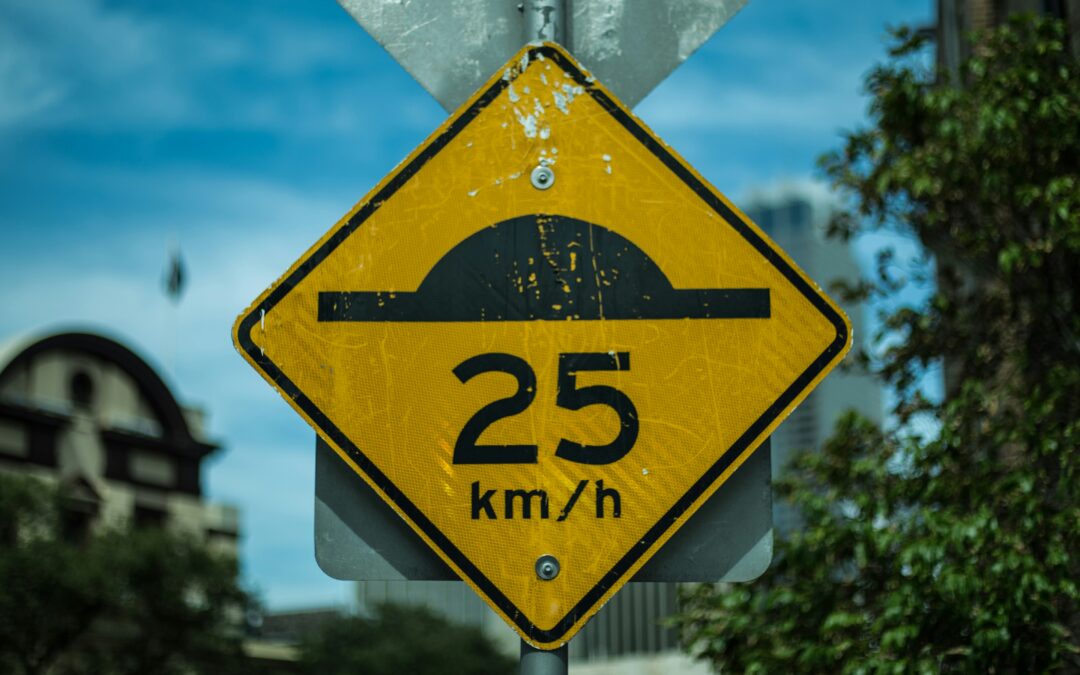
Can traffic calming make our streets safer?
Traffic calming refers to a set of deliberate strategies aimed at slowing down vehicle speeds to improve safety for all road users. These measures include physical interventions like speed humps, roundabouts, and narrowed roadways, strategically implemented to create an environment that encourages people to drive slower. The concept of traffic calming plays a pivotal role in shaping safer and more efficient city streets.

The Impacts of Larger Vehicles on Australian Roads
Gone are the days when compact cars ruled the streets; today, drivers are gravitating towards larger vehicles. However, as vehicles continue to grow in size, concerns about environmental impact and urban congestion have surfaced.
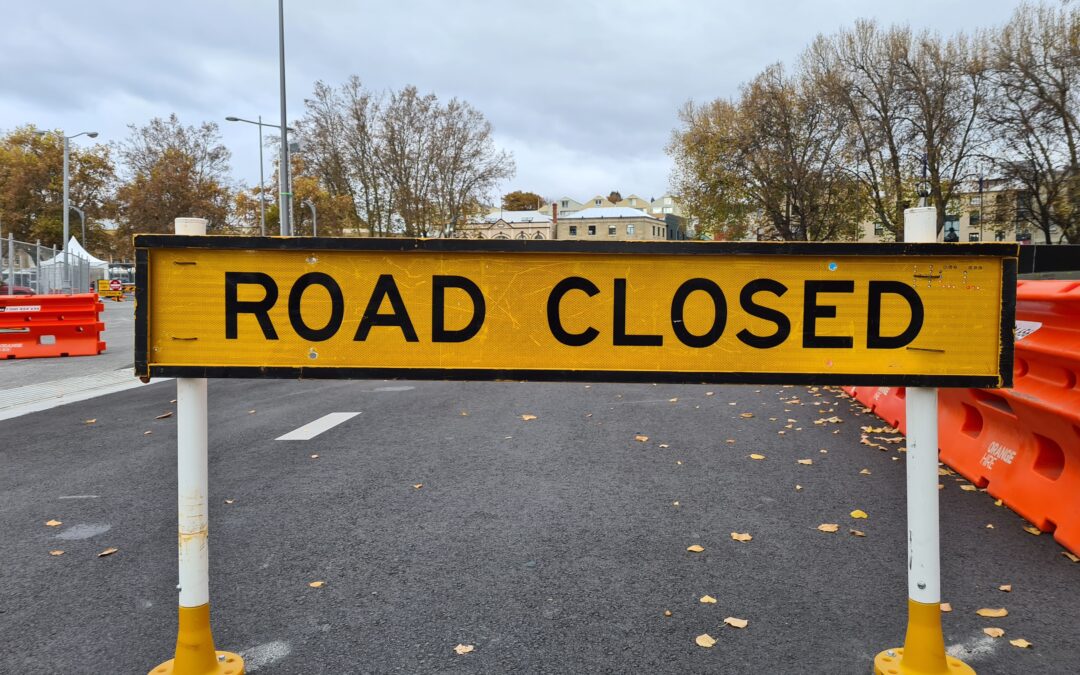
What is Effective Traffic Management?
Construction, roadworks, or other special events require practical and effective traffic control measures to ensure they proceed smoothly with as little impact as possible on the surrounding traffic environment. Designing and then implementing effective control measures within the framework of relevant jurisdictions, codes of practice and guidelines, is key to effective traffic management.

Do minimum car parking rates encourage higher private vehicle use?
The way cities plan and regulate parking spaces plays a pivotal role in shaping transportation patterns and influencing travel modes. One controversial aspect of urban planning is the implementation of minimum car parking requirements. On the surface, these regulations may seem like a practical solution to address the demand for parking spaces in growing urban areas. However, a closer examination raises questions about their unintended consequences.

What is Car Sharing?
Car sharing is a great option for those who cannot afford or need a vehicle infrequently. It is also great for businesses, as they do not need to purchase or maintain a vehicle fleet. Car share initiatives contribute to a reduction in car ownership and travel, encouraging alternatives such as walking, biking, and public transportation for routine trips, while ensuring access to a vehicle for occasional journeys when a car is required.

BikeSpot 2023: Improving Bicycle Safety to Boost Mode Share in Australia
Australia, with its vast landscapes and sprawling urban centres, is well-suited for sustainable transportation options like bicycling. However, achieving a higher bicycle transport mode share in the country comes with its challenges, with safety concerns topping the list, and as the carbon emissions reduction push continues, the barriers preventing uptake of sustainable transport modes need to be lifted.
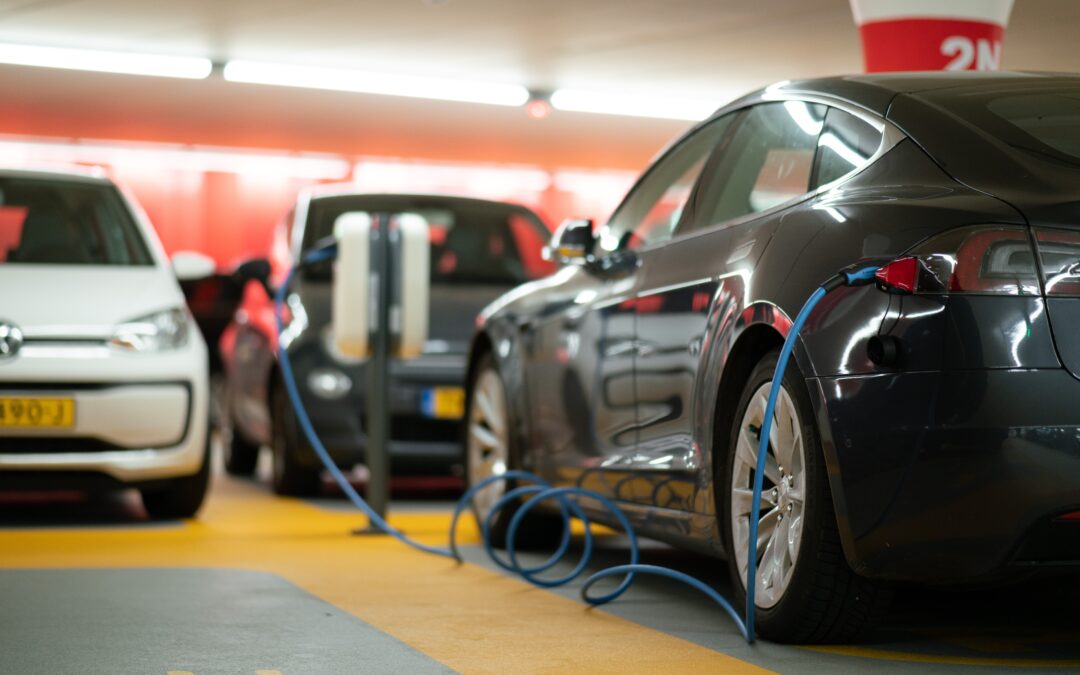
Electric Vehicle Charging Trends
Electric vehicles (EVs) have recently appeared in the news with the recent story involving a landmark High Court decision striking down Victoria’s electric vehicle tax. It came after two EV owners took the law to the Court in response to increasing costs. Whilst EV sales and growth have been slow in Australia (and remain below uptake levels in Europe and the global average) it’s not surprising to see more news around EVs as the uptake grows.

Navigating Victoria’s Bicycle Parking Requirements
The provision of adequate and secure bicycle parking facilities plays a pivotal role in promoting cycling as a viable means of transportation. These facilities are essential for both commuters and recreational cyclists. Without proper bike parking infrastructure, cyclists may resort to alternative modes of transport, undermining Victoria’s efforts to reduce traffic congestion and carbon emissions.
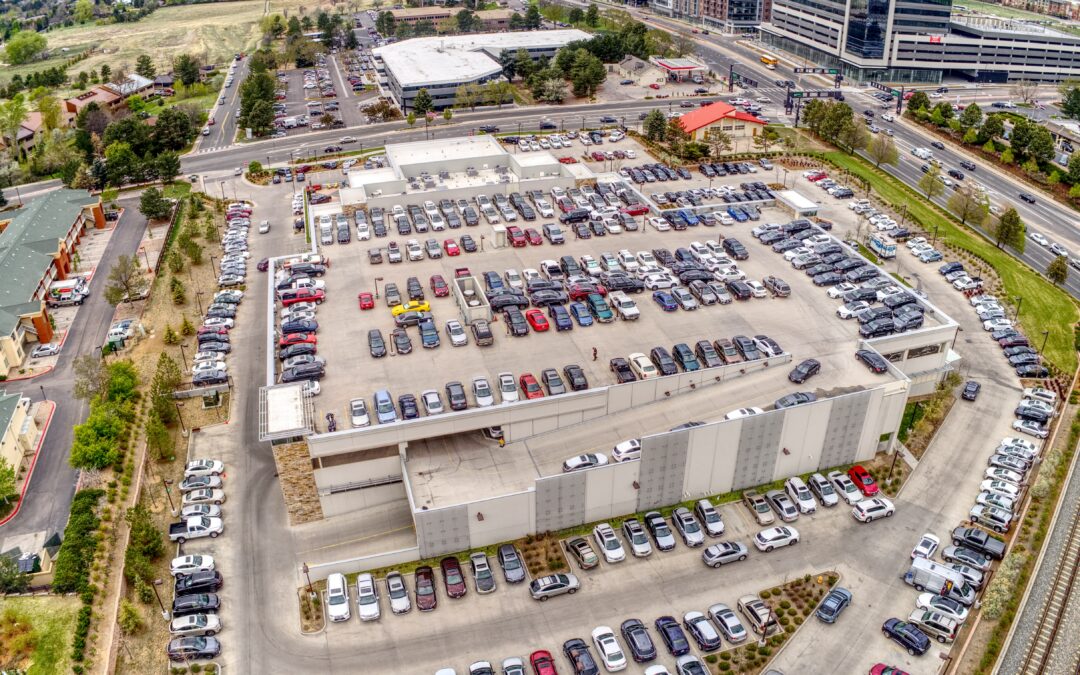
What is a Vehicle Swept Path Assessment?
Vehicle swept path assessments are a critical aspect of road design and traffic management. A swept path assessment involves determining the path that a vehicle will take when it passes through a given section of the road network, or along accessways and within car parking areas. This assessment is done to ensure that there is enough space for vehicles to manoeuvre safely without causing damage to other road users or infrastructure.
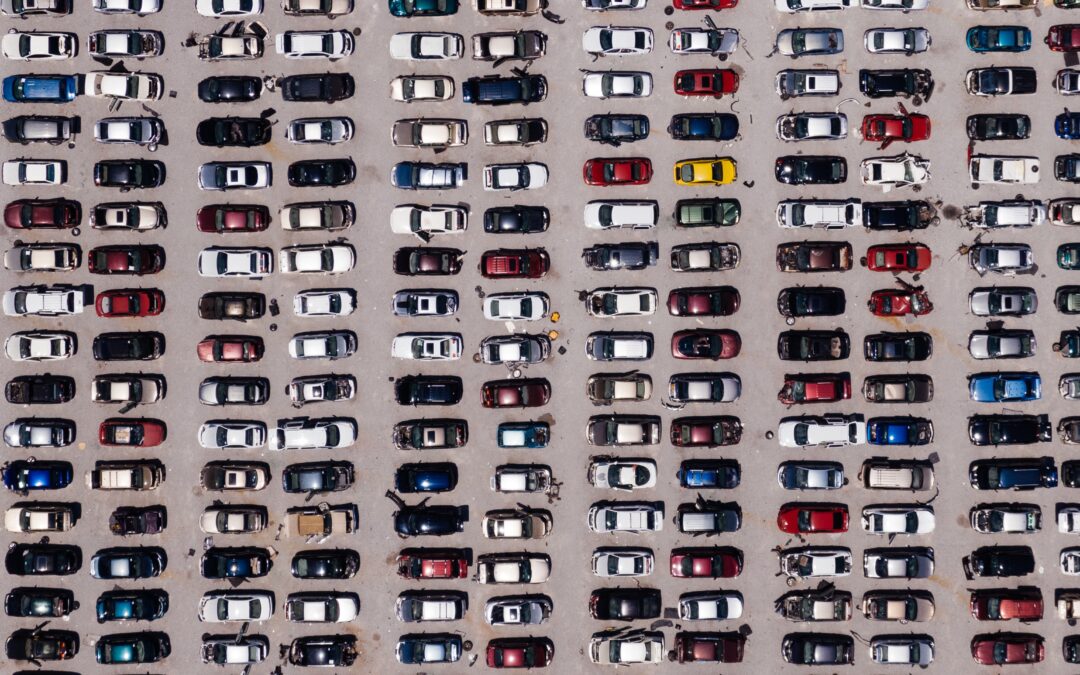
The Issue With Minimum Car Parking Rates In Melbourne
Melbourne’s rapid population growth has led to significant challenges in urban development. Urban sprawl and increased reliance on cars has resulted in negative impacts on the environment, public health, and the liveability of the city.

Amber Organisation acknowledges the Traditional Owners of Country throughout Australia and recognises the continuing connection to lands, waters and communities. We pay our respect to Aboriginal and Torres Strait Islander cultures; and to Elders past and present.
Talk to an expert
We're here to help and answer any questions you might have.
We look forward to hearing from you.